Data Shielding Techniques and Multiplier Event Triggers in Modern Gaming Platforms
David Flores · Oct 31, 2026
Data Shielding Techniques and Multiplier Event Triggers in Modern Gaming Platforms
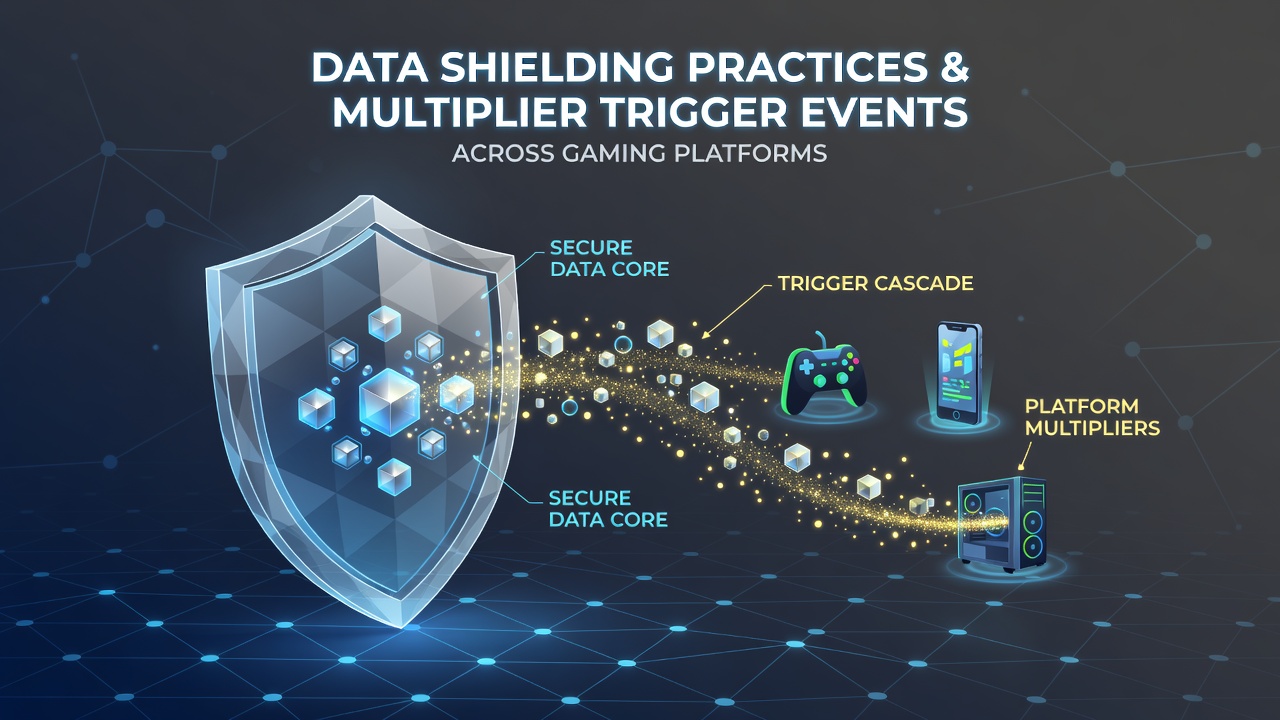
Data shielding practices involve encryption protocols, access controls, and anonymization methods that gaming platforms apply to user information during gameplay sessions, and these measures intersect directly with multiplier trigger events that activate bonus multipliers in slot games and similar titles across various platforms. Researchers have documented how secure data handling affects the logging and verification processes for those trigger events, which occur when specific reel combinations or in-game actions meet predefined conditions set by developers. Studies from multiple regions show that platforms must balance real-time data protection with the computational demands of detecting and applying multipliers without exposing player profiles or transaction histories.
Core Elements of Data Shielding in Gaming Environments
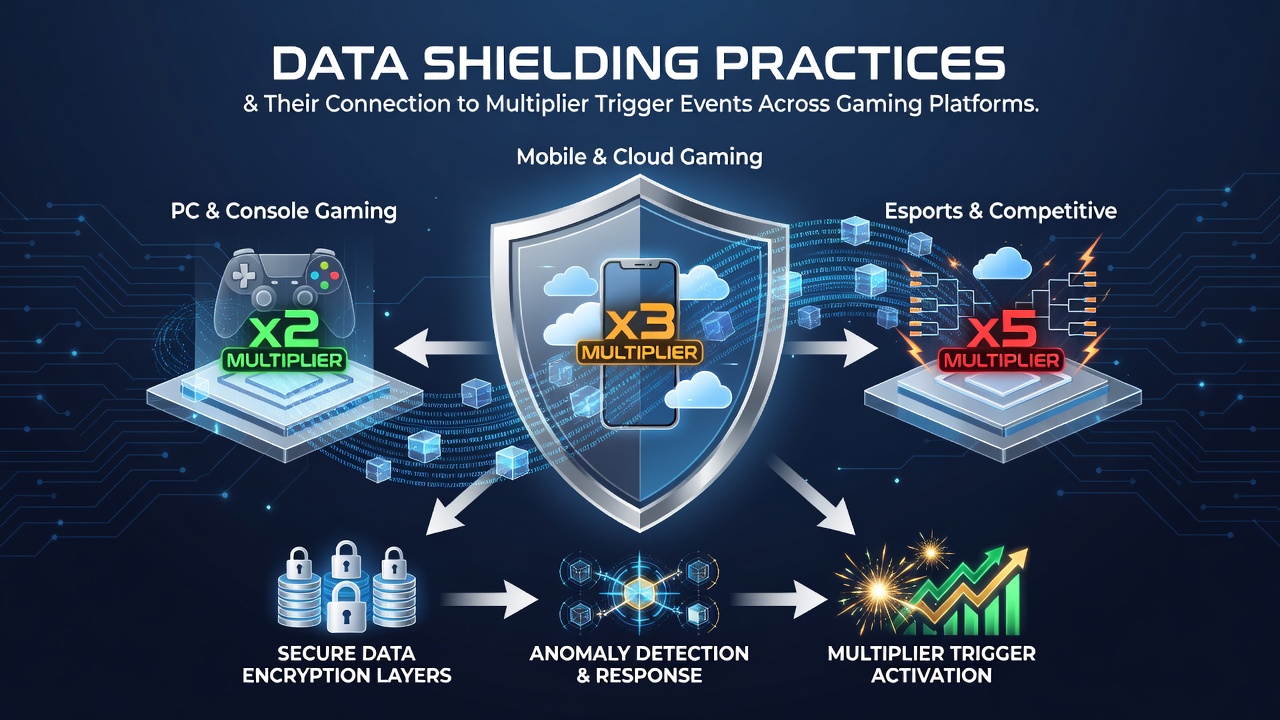
Encryption standards such as AES-256 protect player inputs and outcome data streams while multiplier triggers process results in isolated memory segments, and this separation prevents unauthorized access during high-frequency calculations that determine win multipliers ranging from 2x to 100x or higher. Access controls limit which internal systems can query trigger logs, whereas anonymization strips personal identifiers before data moves to analytics modules that refine future multiplier probabilities. Figures from industry reports indicate that platforms operating in October 2026 implemented layered shielding to comply with evolving privacy regulations across North America and Europe, and these changes coincided with updates to game engines that handle trigger detection.
Multiplier Trigger Mechanics and Data Flow
Multiplier trigger events activate when symbols align or bonus rounds initiate, yet the underlying systems record each activation alongside shielded player data to maintain audit trails required by licensing bodies. Observers note that real-time shielding occurs through tokenization, where unique identifiers replace raw account details before any multiplier calculation reaches external servers, and this process reduces latency while preserving the integrity of random number generators tied to those events. Data shows that platforms using distributed ledger elements for trigger verification experience fewer discrepancies in reported outcomes, since shielded records allow independent audits without revealing individual betting patterns.
Regulatory Influences on Shielding and Triggers
Government agencies outside the UK have issued guidelines that connect data protection requirements directly to game feature transparency, and these include mandates for clear disclosure of how multiplier triggers interact with stored player information. A report from the Federal Trade Commission outlines standards for consent management in digital entertainment, while similar frameworks from the Australian Communications and Media Authority emphasize secure handling of in-game event data. Platforms adjust their shielding architectures accordingly, which means multiplier detection algorithms operate within encrypted environments that log activations without transmitting identifiable details beyond necessary boundaries.
One case examined by analysts revealed that when shielding protocols strengthened in mid-2026, certain platforms recorded a measurable shift in how frequently complex multiplier chains triggered during extended sessions, because additional encryption steps altered processing queues for event verification. Yet developers maintained performance levels through optimized hardware acceleration that keeps trigger responses under 50 milliseconds even with active data protection layers.
Technical Integration Across Platforms
Cross-platform gaming environments integrate shielding through API gateways that filter data before it reaches multiplier engines, and this architecture supports consistent trigger behavior whether players access titles via desktop clients or mobile applications. Research indicates that standardized token systems allow seamless transfer of shielded session data between different operators, which preserves multiplier history without compromising privacy standards. Those who manage large-scale deployments report that combining differential privacy techniques with trigger logging reduces the risk of pattern inference attacks that could expose individual gameplay tendencies.
Industry Standards and Emerging Practices
Trade associations such as the American Gaming Association have published frameworks that address how data shielding must accommodate the computational needs of multiplier systems in real-money and social gaming titles alike. These guidelines recommend regular penetration testing focused on trigger event pathways, since vulnerabilities there could affect both payout accuracy and user data security. In October 2026, several major platforms adopted enhanced shielding modules that incorporate machine learning models to predict and isolate potential data leakage points during intense multiplier sequences.
Academic papers from university research groups have examined correlations between shielding intensity and the distribution of multiplier outcomes, finding that well-implemented protections do not inherently alter randomness but do change the metadata attached to each event. This distinction matters for compliance reporting, because regulators require detailed logs that remain shielded until specific audit triggers activate.
Conclusion
Data shielding practices continue to shape how multiplier trigger events function across gaming platforms by enforcing secure data pathways that support both player privacy and mechanical reliability. Evidence from regulatory updates and technical reports demonstrates that platforms achieve this balance through layered encryption, controlled access, and anonymized logging that preserves the integrity of game outcomes. Continued evolution in these areas will likely depend on coordinated efforts between developers, regulators, and researchers working to refine the intersection of data protection and interactive game features.